why emotional intelligence Makes Clients Ask for you by Name

You can leave a client meeting having said all the right things legally and still lose the room. The client felt unheard. The conversation felt transactional. Nothing you said was wrong, but something was missing. That something is what separates the lawyers clients forget from the ones they call back.
why emotional intelligence Makes Clients ask for you by name
It is not about being Nicer
The lawyers who get requested most in their firms are not necessarily the most technically brilliant ones. They are the ones who can read a client's mood mid conversation and respond thoughtfully when that client is frightened or angry about what comes next. Emotional intelligence in practice means noticing what is not being said, not just what is. A client who feels genuinely understood is more patient when a matter hits a snag. They remember how you made them feel long after they have forgotten what you told them.
How to build it before you qualify
You do not need clients to practise this. Start with the people around you now.
Before you reply in any conversation where someone seems stressed, pause and ask yourself what they might be feeling, not just what they are saying. On calls, try opening with "What is most important to you today?" then stop talking. On emails, read your draft out loud before sending. If it sounds cold or rushed, rewrite it before you hit send.
One specific technique worth trying now: when someone is clearly frustrated, name it. Say "I can hear this has been stressful." It is disarming in a way that a well structured legal argument never is. It also signals that you are paying attention to the person, not just the problem.
Why Firms notice
Firms can train you in black letter law. What they cannot as easily teach is how to sit with an anxious client and bring clarity to a conversation that has gone sideways. That skill is rarer and it shows up quickly in how clients talk about you internally.
The best place to start is with genuine curiosity about how the other person is feeling. That one shift, practised consistently, will do more for your client relationships than most formal training will.
For a deeper look at where junior lawyers most commonly lose client trust in day to day communication, I have broken down five of the most common mistakes junior lawyers make.
Employers want workers with high EQs
A Harvard Gazette piece from August 2025, featuring Harvard Medical School psychologist Ron Siegel, draws on the World Economic Forum's Future of Jobs report to make the case that several emotional intelligence skills, including motivation, self-awareness, empathy, and active listening, rank among the top 10 core competencies employers want.
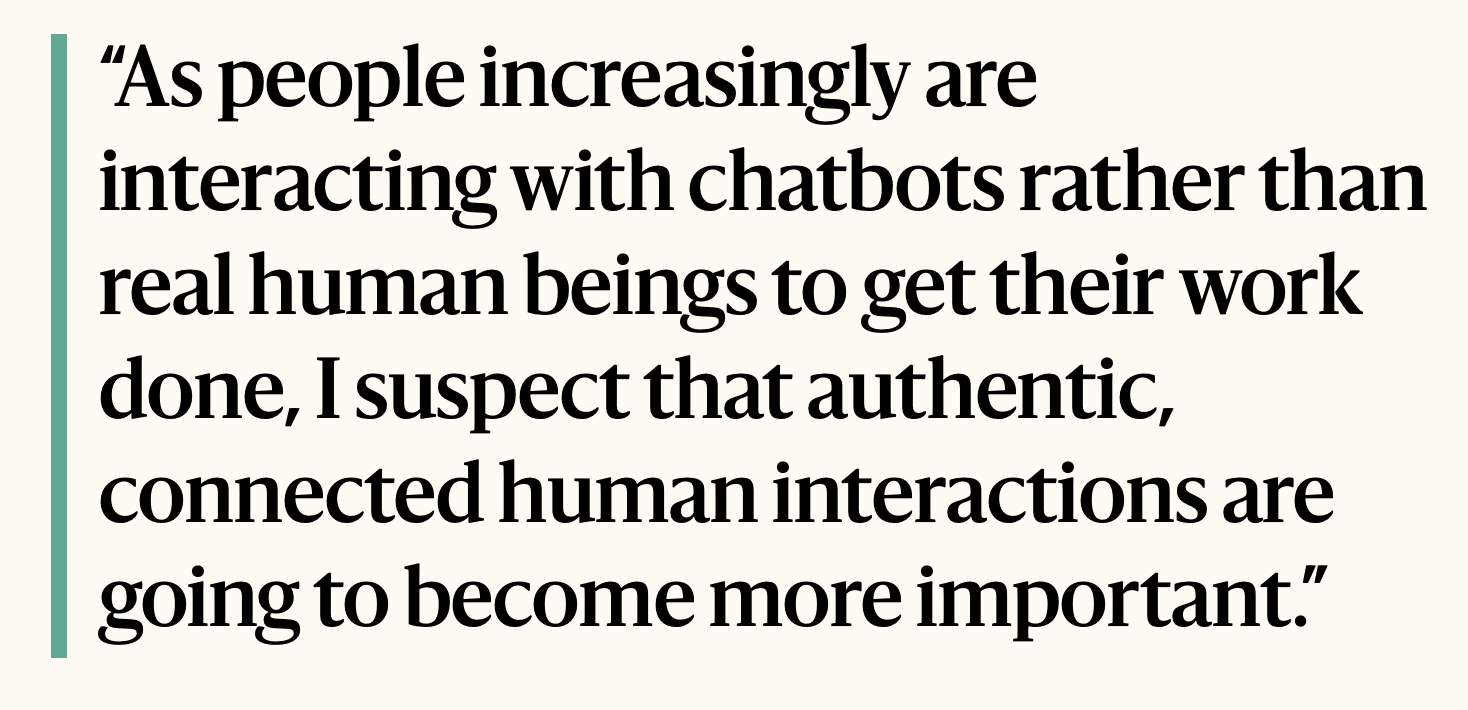
Siegel breaks EQ into four components: self-awareness, self-regulation, empathy, and social skills. His central argument is that technical expertise is relatively easy to find, but people who can manage their own emotions and work well with others are genuinely rare. With AI handling more interactions, he argues authentic human connection will only become more valuable, not less.
Read the full Harvard Gazette piece here.
The Be an adult section
This is general guidance, not advice tailored to your specific situation. There is no universal script for client conversations. Stay curious about how the other person is feeling and you will adapt in ways no framework will fully prepare you for.